
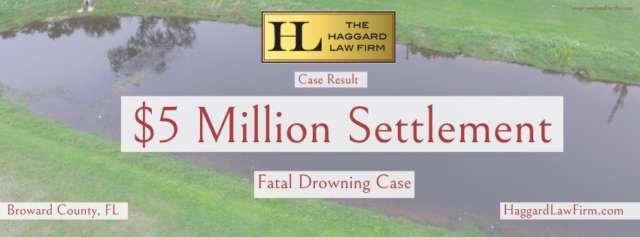
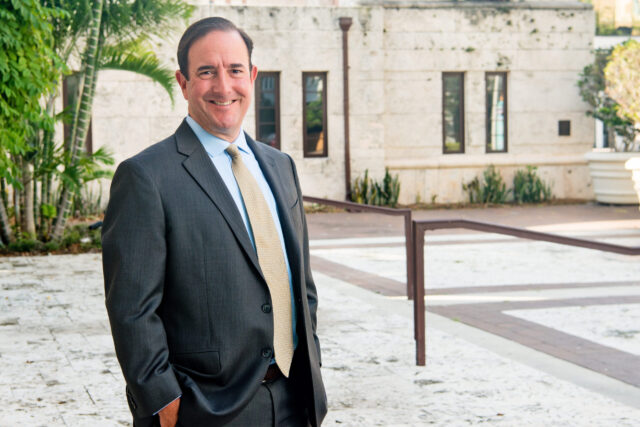
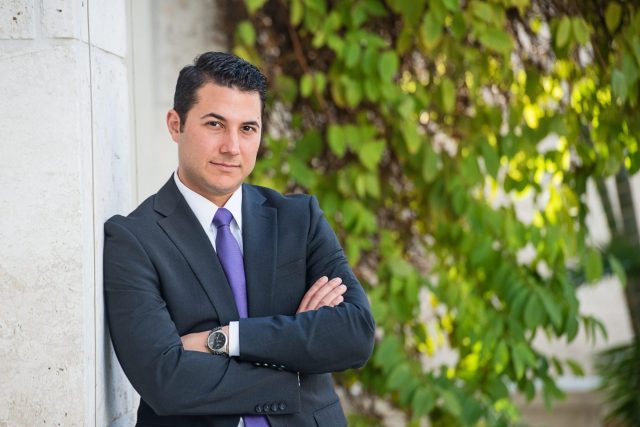
The Haggard Law Firm’s Michael Haggard and Adam Finkel secured a $5 Million settlement for the family of Kallie Bligen, a 5-year-old autistic girl who suffered a fatal drowning in a retention pond located just steps from her family’s apartment in Oakland Park, Florida.
Bligen was non-verbal and autistic, and her parents, Kashawn Bligen and Jasmine Kessler, took extraordinary precautions to protect their daughter from wandering into danger.
They installed locking mechanisms on the refrigerator. They placed alarm pads on the sliding glass door. Kashawn even positioned his bedroom near that door because it opened directly toward a retention pond approximately 10 feet from their apartment.
Despite those precautions, on October 3, 2025, Kallie got outside. The alarm attached to the sliding glass door had fallen after its adhesive gave way. When Kashawn noticed the problem, he went outside and found Kallie unconscious in the retention pond.
Kallie’s death has since become more than a devastating loss for her family. It has become a call for greater awareness of the dangers posed by retention ponds, particularly for children with autism who may be at an elevated risk of wandering and drowning.
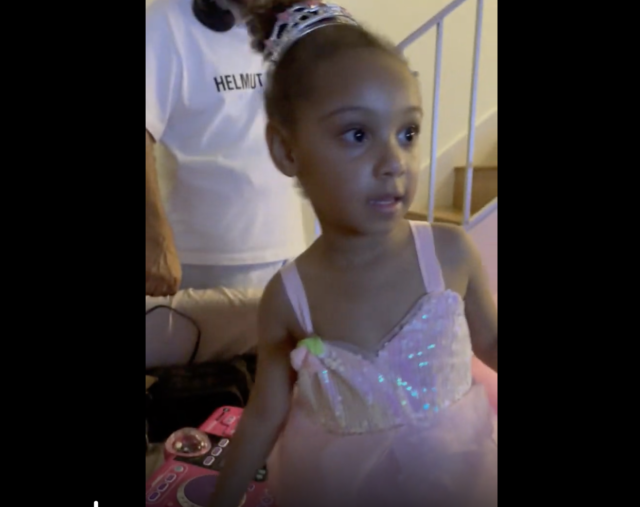
WATCH – NBC South Florida story on Kallie Bligen and her family’s fight to save others.
$5 Million Settlement Reached in Kallie Bligen Drowning Case
Following an investigation and civil claim brought by The Haggard Law Firm, Kallie’s family raised concerns about the condition and configuration of the stormwater system near their apartment.
The family’s concerns included the steep slopes leading toward the retention pond and the close proximity of the water to the family’s home.
The fatal drowning case was resolved with a $5 Million settlement. The settlement was reached without an admission of fault by the apartment owners or operators. For Kallie’s parents, however, the case was about more than compensation. They wanted answers about how their daughter was able to reach a dangerous body of water located only feet from their home despite the precautions they had taken to keep her safe. Now, they are turning their grief into advocacy.
The Kallie Breeze Foundation Is Working to Prevent Future Drownings
Kallie’s parents have created the Kallie Breeze Foundation to raise awareness about drowning prevention and the dangers posed by retention ponds and other bodies of water.
Their goal is to help other families understand the risks and to encourage communities, property owners, and policymakers to take water safety seriously. Kallie’s story demonstrates the heartbreaking reality that even parents who take extensive precautions may not be able to eliminate every danger when a hazardous body of water is located immediately outside their home.
Why Are Retention Ponds Dangerous for Children?
Retention ponds are common throughout Florida. They are designed as part of stormwater management systems to collect and hold water and help control drainage and runoff.
But retention ponds can also create significant safety hazards. Unlike swimming pools, retention ponds are generally not designed for recreation. They may have:
- Steep or slippery slopes
- Deep water
- Muddy or unstable ground
- Limited visibility
- Difficult access for rescuers
- Vegetation that can obscure the shoreline
- No lifeguard or active supervision
For a young child, reaching the water can take only seconds. When a retention pond is located immediately adjacent to a residential community, questions about access, design, warnings, barriers, slopes, and foreseeable risks can become particularly important following a drowning.
Why Children With Autism Face a Higher Drowning Risk
Kallie’s story also highlights a broader public safety concern involving children with autism. Children with autism can be at an increased risk of wandering or elopement, and water can pose a particularly serious danger because some children may be naturally drawn to water or may not recognize the hazards associated with drowning.
According to the National Autism Association, drowning accounted for 91% of reported deaths associated with wandering among children with autism.
The National Autism Association has also cited research estimating that children with autism are approximately 160 times more likely to experience a nonfatal or fatal drowning than their typically developing peers.
These statistics underscore why drowning prevention can require special consideration for families of children who are prone to wandering.
Florida’s Retention Ponds and Child Drowning Risk
Florida presents unique water-safety challenges. The state has thousands of lakes, canals, ponds, waterways, swimming pools, and stormwater retention systems. For many Florida families, water may be located only a short distance from their home.
Drowning prevention remains a year-round issue.
For families of children with autism or other conditions associated with wandering, the proximity of water can be an especially important safety consideration.
What Responsibility Do Property Owners Have for Retention Pond Safety?
Whether a property owner or management company can be held legally responsible for a drowning depends on the specific facts and circumstances of the case.
A negligent premises or wrongful death investigation may examine issues such as:
- How close the water was to residential units
- The design and slope of the pond
- Whether the pond created a foreseeable danger
- Whether children could easily access the water
- Whether barriers or other safeguards were appropriate
- Whether warnings were provided
- Whether prior incidents or complaints existed
- Whether the property owner knew or should have known about the risk
- Whether the property complied with applicable safety requirements
- Whether reasonable precautions could have reduced the danger
These cases can require extensive investigation of property records, engineering information, maintenance records, photographs, surveillance footage, witness accounts, and other evidence.
The Haggard Law Firm’s Commitment to Drowning Prevention
The Haggard Law Firm has nearly 30 years representing families affected by fatal and non-fatal drownings.
The firm’s attorneys have has successfully litigated drowning cases involving retention ponds, apartment communities, pools, waterways, and other dangerous aquatic environments. The firm also advocates for greater awareness of drowning prevention and works with organizations, like the National Drowning Prevention Alliance, dedicated to reducing drowning deaths.
For families who have lost a loved one in a drowning incident, determining what happened can require a thorough investigation, not only of the incident itself, but also of the property, its design, safety practices, warnings, maintenance, and the foreseeability of the danger.
If Your Loved One Drowned Because of Unsafe Property Conditions
If your child or loved was lost to a fatal drowning oror suffered a serious water-related injury at an apartment complex, retention pond, swimming pool, hotel, resort, or other property, you may have questions about whether the property owner or operator could be held responsible.
The Haggard Law Firm can investigate the circumstances surrounding the incident and help families understand their legal options.
Contact The Haggard Law Firm for a free and confidential consultation.
Frequently Asked Questions About Retention Pond Drownings
Can an apartment complex be held responsible for a retention pond drowning?
Potentially. Liability depends on the circumstances of the incident, including the property’s ownership and control of the area, the nature of the hazard, foreseeability, applicable safety standards, and whether reasonable measures could have reduced the risk.
Why are retention ponds particularly dangerous for children?
Retention ponds can have steep slopes, deep water, unstable surfaces, and difficult-to-access shorelines. They also may be located close to residential communities without the same safety features found around swimming pools.
Are children with autism at greater risk of drowning?
Research cited by organizations including the National Autism Association indicates that children with autism can face a substantially elevated risk of wandering and drowning. Individual risk varies, but water safety is an important consideration for families of children who may wander.
What should I do if my child drowns at an apartment complex or other property?
Seek emergency medical assistance immediately. After the emergency, preserve available evidence and consider consulting an attorney experienced in drowning, premises liability, and wrongful death cases. An investigation can help determine whether property conditions or inadequate safety measures contributed to the incident.
